Sugar cake, tamarind stew and coconut tart
A tray of Antigua sweets might hold pink sugar cake, sticky tamarind, coconut tart or fairground brittle. The names are familiar; the details are their own.
- Reading
- 1 min
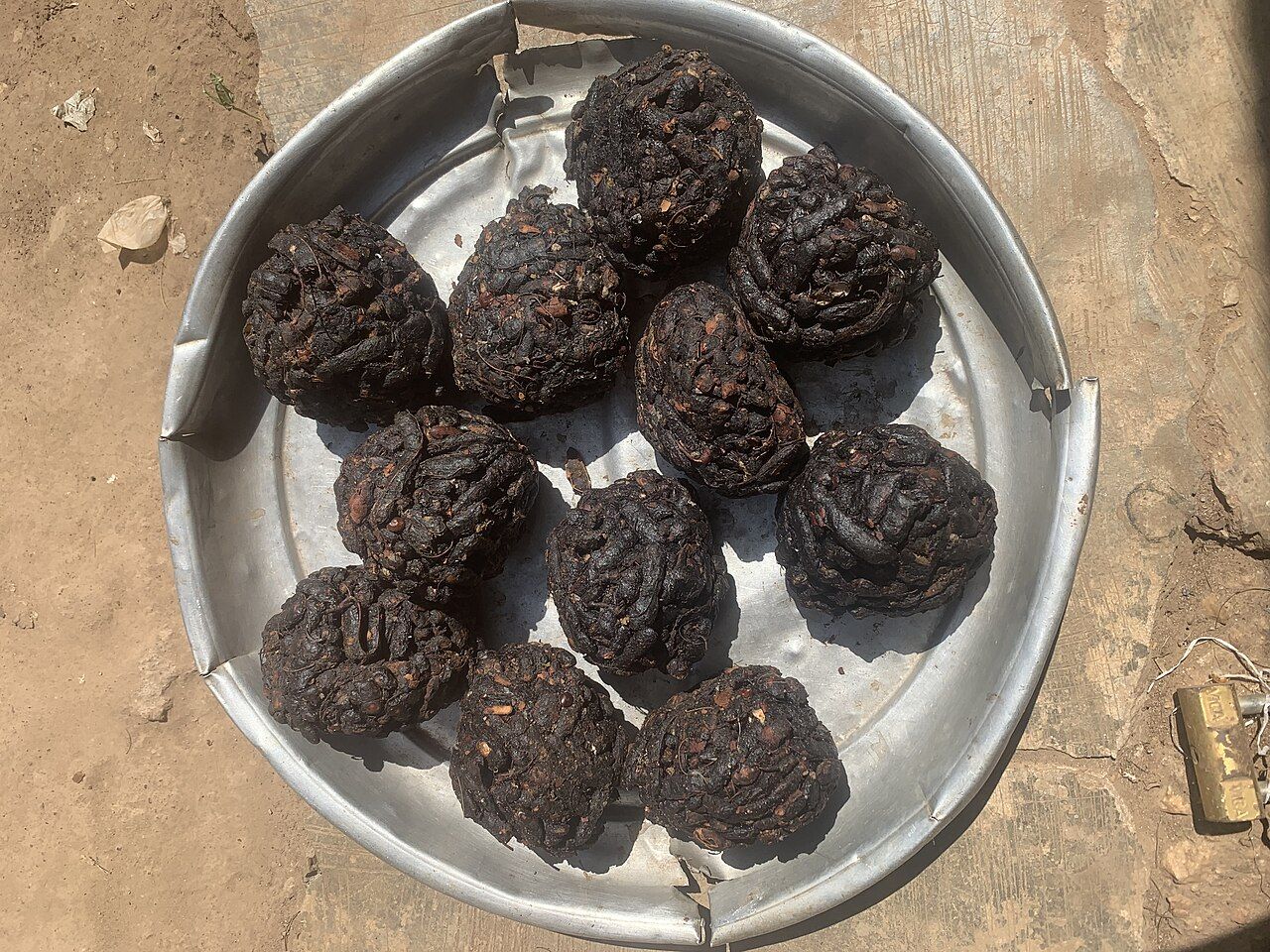
A tray at a market or festival can look like a whole argument for sweets: pink sugar cake beside coconut tart, tamarind in a couple of different forms. The names sound straightforward. Are they?
Myth and fact
Myth: Sugar cake is cake in the usual pastry sense. Fact: It’s made from grated coconut boiled with sugar, and it’s often colored pink. That’s a little different from a slice with a crumb and frosting. The coconut does the heavy lifting here, while the sugar brings the name along.
Myth: Tamarind is only a tree, or only one kind of sweet. Fact: The tamarind tree grows widely on Antigua and gives shade in many villages, and tamarind shows up in more than one sweet. Tamarind stew is a sticky preserve made from tamarind pulp and sugar. Tamarind balls take a simpler route: the pulp is rolled in sugar. Same fruit, different form [and one gets to be a ball]. The contrast is in the ingredients and the way each is made.
Myth: Coconut tart is just another name for sugar cake. Fact: A coconut tart is pastry filled with sweetened grated coconut. There’s coconut in both, sure, but one is a boiled sweet and the other has a pastry shell. For a different piece of the island’s food story, there’s the island's fruit seasons.
Myth: The sweets are all made for fairs. Fact: Peanut brittle and fudge are sold at village fairs on Antigua, and sweets are often sold from trays at markets and festivals. But there’s home baking, too: bread pudding and coconut sweet bread are common. The list doesn’t stop at the fairground tray, even if that tray makes a vivid little introduction.
So which sweet gets the first look: the pink sugar cake, the sticky tamarind, or a coconut tart with its pastry around the filling?
Photo credits: Uthman salma: CC0 1.0 Universal.
