Sailing & Carnival · St John's
Antigua Carnival, from J'ouvert to Last Lap
Antigua Carnival marks emancipation through Carnival City shows, early-hours J'ouvert and the costumed parades across St John's.
- Parish
- St John
- From St John's
- in town
- Reading
- 4 min
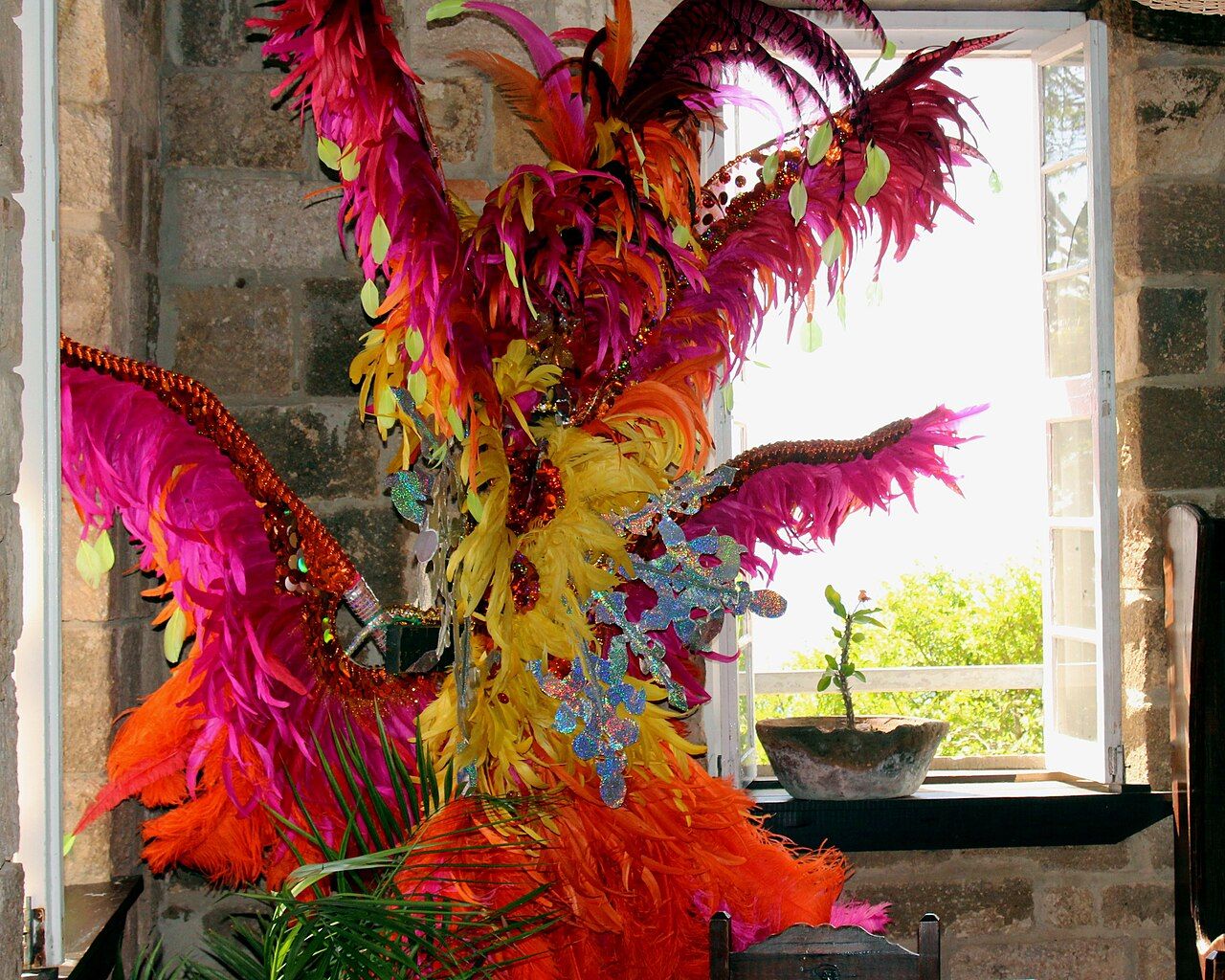
1957 is the year the first Antigua Carnival was held. What does the celebration mark? The emancipation of enslaved people on 1 August 1834. Those dates give the carnival its place in the calendar and its meaning; the events themselves unfold across late July and the first Tuesday in August, with a shift from shows to street celebrations and, finally, Last Lap.
How does the schedule move through those days? Not as a single event, but as a carnival period that includes competitions, a pageant, shows in St John's and the parades on carnival Monday and Tuesday. The exact order of the shows and competitions isn't set out here, so it makes more sense to follow the clear landmarks: what happens during the carnival period, then what Monday and Tuesday bring.
Before Monday
What can be part of the carnival period before the street parades? The Calypso Monarch and Party Monarch competitions are highlights, and the Panorama steel band competition is another part of Antigua Carnival. The Queen of Carnival pageant is also held during the carnival period. Those names mark distinct parts of the program: competitions for the monarch titles, a steel band competition, and a pageant. They sit alongside the shows, rather than replacing the street events that come later in the schedule.
Where are the shows? Carnival shows in St John's are held at a venue known as Carnival City. That gives the program a named place in town, while the carnival's most visible parade days take place through the streets. The sound side of the program belongs with calypso, steel pan and benna, a useful way to think about the competitions and bands within the wider carnival. The facts name the competitions, but don't pin each one to a particular day, so the dates of the street events are the steadier guide to the sequence.
Why does the whole period begin in late July and run into August? Antigua Carnival is held each year from late July to the first Tuesday in August, and it celebrates emancipation on 1 August 1834. The date and the celebration belong together in the calendar. The Monday and Tuesday of carnival are public holidays on Antigua, which makes those days part of the island's official holiday calendar as well as the carnival schedule.
Early hours and morning
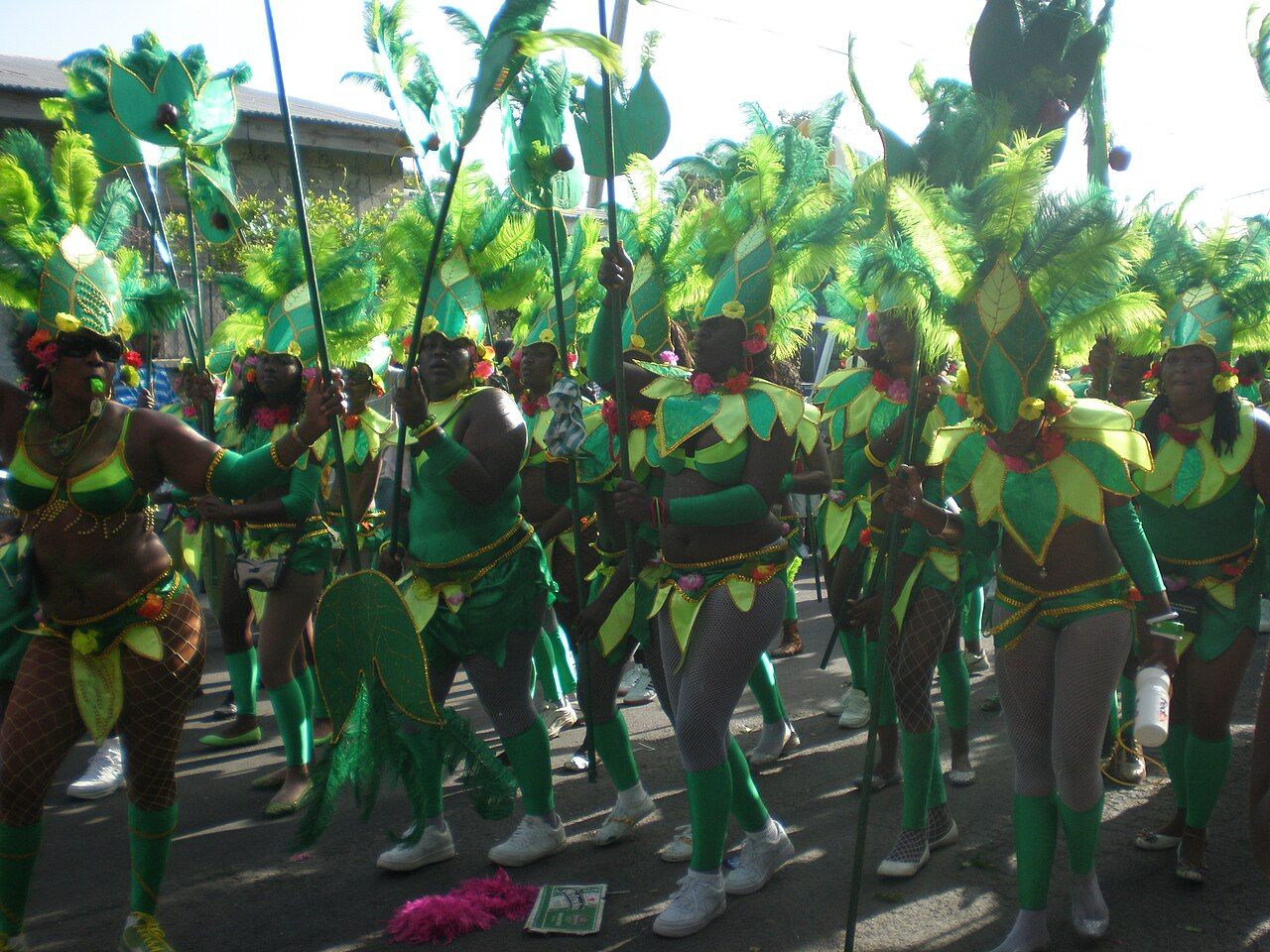
What starts the first Monday? J'ouvert begins in the early hours, with steel bands and revellers in the streets of St John's. That's the first clear street marker in the itinerary: bands and revellers are already out in the city while the day is just beginning. The word doesn't need a long explanation to do its work here; the schedule tells us when it starts and what is in the streets.
And what follows J'ouvert? Carnival Monday is also a parade day, with costumed mas troupes parading through St John's. The events share the same day, but they aren't the same thing: J'ouvert is the early-hours street gathering with steel bands and revellers, while the mas troupes bring the costumed parade. Monday is a public holiday, too. There are several strands to the day, and the schedule gives each its own place without asking them to be folded into one event.
What does the morning look like after the early-hours start? The facts give the clearest detail for J'ouvert and the parade, rather than a clock-by-clock program. So the useful outline stays simple: J'ouvert begins in the early hours of the first Monday of August, and the costumed mas troupes parade through St John's on carnival Monday. The day has both the street start and the parade, and Monday's holiday status is part of the same picture.
Midday, late afternoon and evening
What changes as the schedule reaches Tuesday? The costumed mas troupes parade through St John's again, this time on carnival Tuesday. Like Monday, Tuesday is a public holiday on Antigua. The two parade days anchor the street side of the carnival, though there isn't a clock time given for the troupes' route. So midday and late afternoon are best read as the stretch of the day between the parade and the named evening finish, not as a promise of a particular start time.
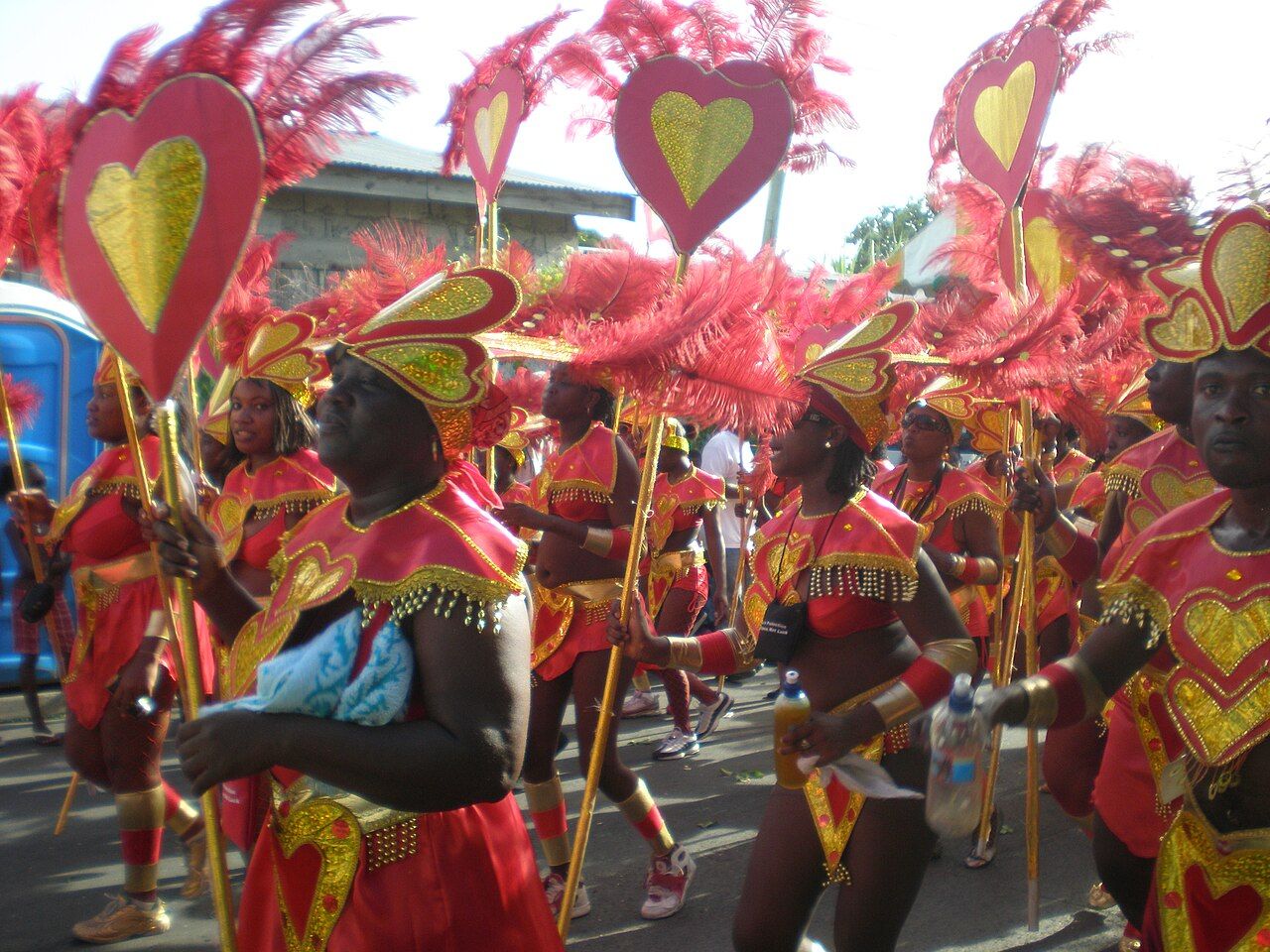
What is the closing event? Last Lap, on Tuesday evening, is the final parade of Antigua Carnival. That makes Tuesday's sequence easy to follow at its broadest: costumed mas troupes parade through St John's, and the evening brings the final parade. The name gives the ending its own marker. No extra event needs to be added to make the shape clear; Last Lap is the close named in the carnival schedule.
Last Lap, on Tuesday evening, is the final parade of Antigua Carnival.
Last Lap, on Tuesday evening, is the final parade of Antigua Carnival.
Where can the dates of the carnival period be found? The tourism authority lists dates for carnival and other festivals on visitantiguabarbuda.com. The broad calendar remains late July to the first Tuesday in August, with the first Monday bringing J'ouvert and the Tuesday evening bringing Last Lap. That is the order the facts settle: carnival period, Monday's early-hours start and parade, Tuesday's parade, then the final parade in the evening.
The numbers: late July to the first Tuesday in August; 1 August 1834; first held in 1957.
When Last Lap has brought the parade to its close, which part of the carnival schedule stays in mind?
Photo credits: Thank You (23 Millions+) views: Creative Commons BY 2.0; Bluefizz32: Creative Commons BY 3.0; Bluefizz32: Creative Commons BY 3.0.


