Hikes, Reefs & Barbuda · Codrington Lagoon
The frigatebirds of Codrington Lagoon
A small-boat journey from Codrington leads to mangroves holding thousands of magnificent frigatebirds, with bright red throat pouches at the center of mating season.
- Parish
- Barbuda
- From St John's
- ferry or short flight
- Reading
- 3 min
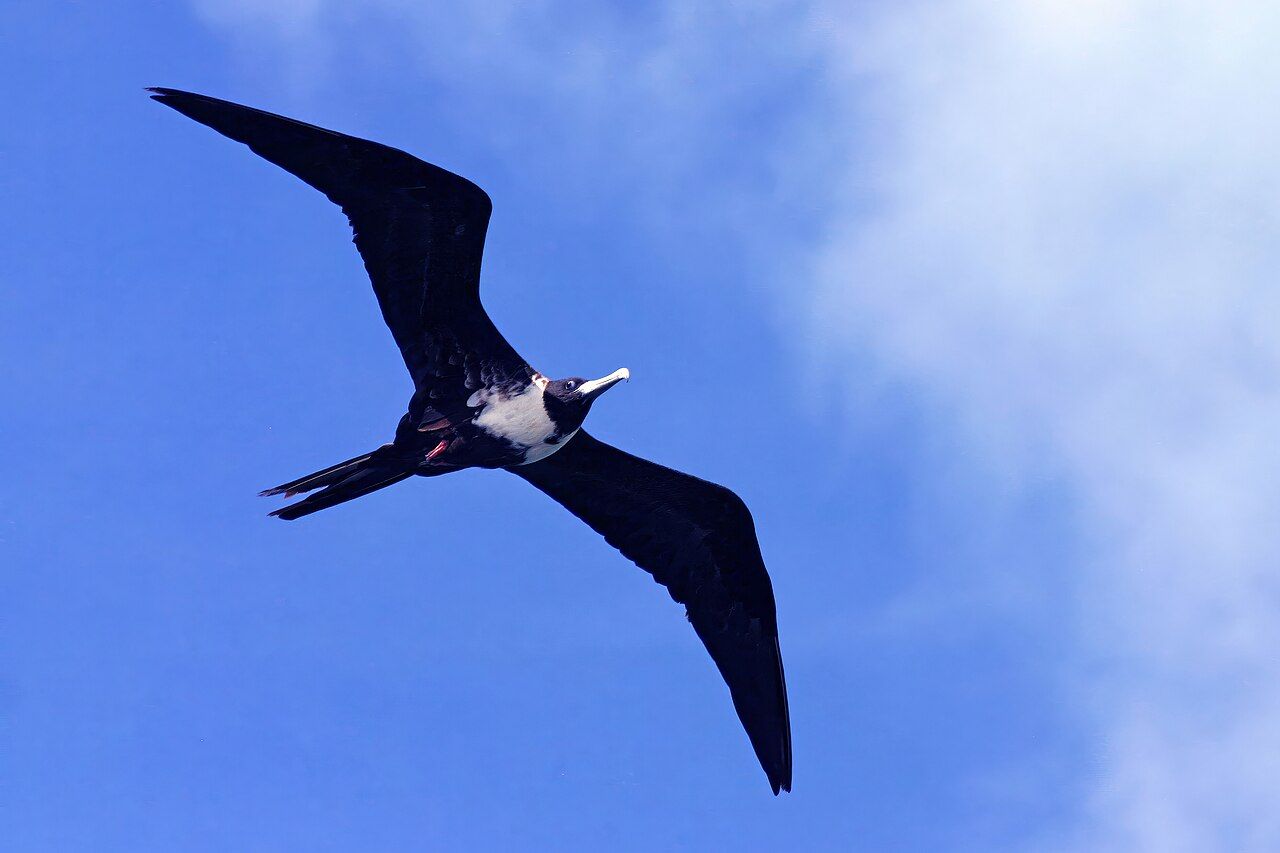
Thousands of magnificent frigatebirds nest in the mangroves of Codrington Lagoon. What does that look like as a story? A large, shallow lagoon on Barbuda’s west side, a colony among the mangroves, and a bird with a bright red throat pouch that becomes part of the mating display. The scale is the first thing to hold onto: this isn’t a handful of birds set against a lagoon, but one of the largest colonies of magnificent frigatebirds in the world.
Why come by boat? The colony is reached by small boat from the village of Codrington, so the trip out is part of the account, not an afterthought. The lagoon is the setting and the route, too: the birds nest in its mangroves, and the small boat connects the village to the sanctuary. There’s no need to add a complicated itinerary around it. The key details are wonderfully clear: Codrington, a boat, and the mangroves where thousands of frigatebirds nest.
The birds
What gives the male frigatebird that bright red throat? He inflates the pouch to attract females. It’s a vivid detail, and also a useful reminder that the colony isn’t just a mass of wings over the mangroves; it’s a place where the birds’ mating behavior is on display. The pouch is the detail the eye can follow, while the larger picture remains the colony itself, spread through the mangroves of Codrington Lagoon.
When does that display belong to the season? The frigatebird mating season in Codrington Lagoon runs from about September to April. The word “about” matters: it gives the season a shape without pretending there’s a single exact date that covers it. In that stretch, the red throat pouch has a particular role, and the colony’s nesting and mating story comes into focus. For another Barbuda story, there’s Barbuda's Whitsun festival.
And the chicks? The colony is a nesting place, and the mating season gives the birds’ story a clear rhythm, but the details here stay with what’s known: thousands nest in the mangroves, and males inflate the red pouch to attract females. That’s enough to make the colony feel more than a scene to look at. It’s a living place, with the birds’ nesting and mating at its heart [and with no need to invent a closer view than the facts allow].
What makes a frigatebird unusual in the wider bird world? It has the largest wingspan relative to body weight of any bird. That’s a precise distinction, and it says something about the shape of the bird without asking for a measurement that isn’t needed here. The other striking fact is about food: frigatebirds can’t dive into the water, and they often steal fish from other seabirds. Their way of feeding is as distinctive as the red throat pouch, though the lagoon’s mangroves remain the main stage of this story.
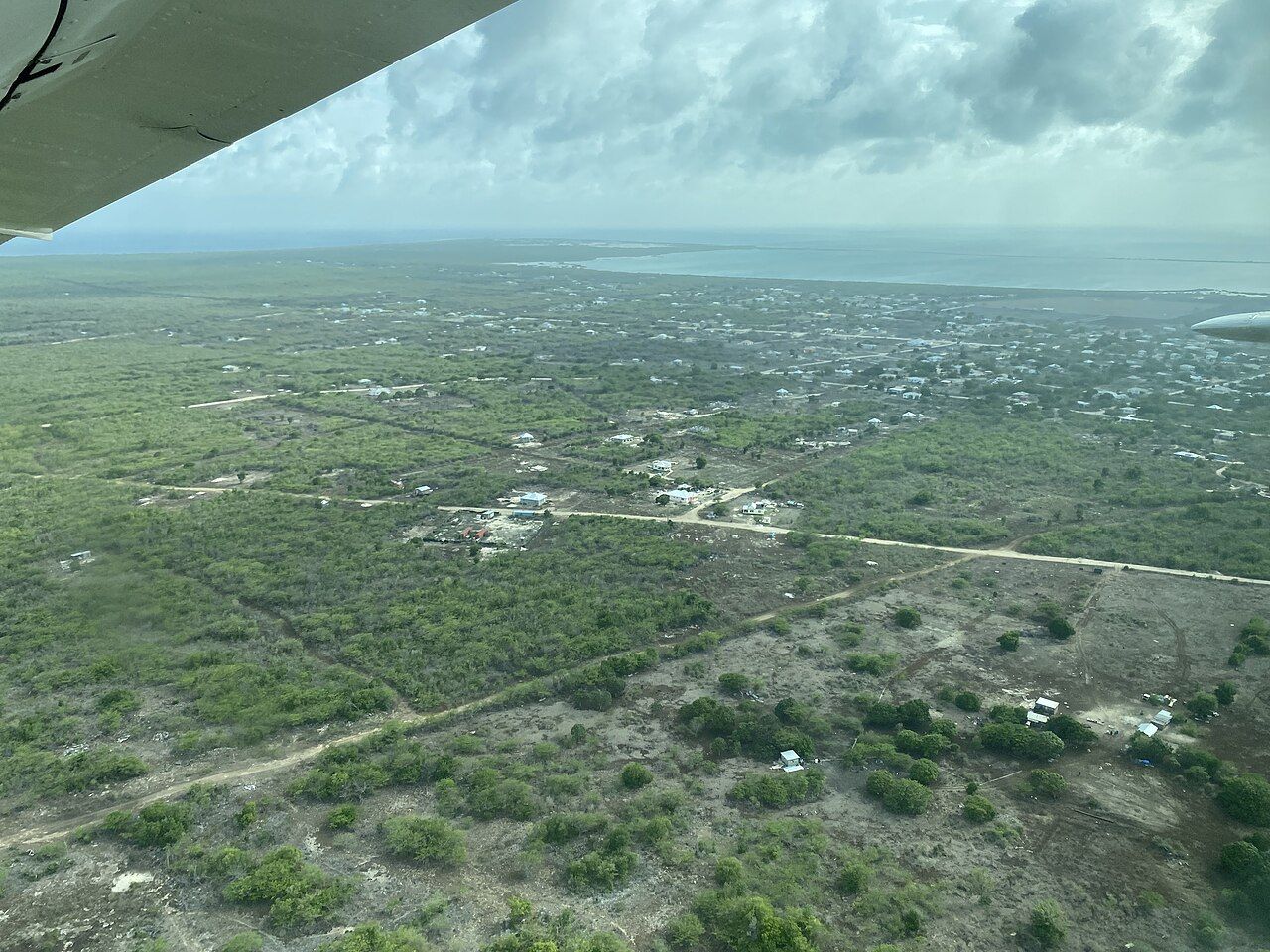
Their way of feeding is as distinctive as the red throat pouch, though the lagoon’s mangroves remain the main stage of this story.
The lagoon
Is Codrington Lagoon only a home for birds? No. Its mangroves are also a nursery for fish and spiny lobsters. That means the same tangle of mangroves at the center of the frigatebird story has another role in the lagoon, too. And the lagoon itself has a formal place beyond the colony: it’s a national park and a wetland of international importance under the Ramsar Convention. The names are official; the picture stays simple, with shallow water, mangroves, and a nesting colony.
Has the colony always been untouched? No. Hurricane Irma damaged it in 2017, and the birds have since returned. That short account carries both the damage and the return, without needing to guess at what either looked like day by day. The mangroves still hold thousands of nesting frigatebirds, and the sanctuary remains one of the world’s largest colonies of the species.
So what should stay with a reader after the boat trip? A few linked details: the large, shallow lagoon on Barbuda’s west side; the mangroves where thousands of magnificent frigatebirds nest; the male’s bright red pouch; and a mating season that runs from about September to April. Add the birds’ enormous wingspan relative to body weight and their habit of stealing fish because they can’t dive, and the colony has a character all its own. The birds bring the drama; the mangroves are doing several jobs at once.
And the joke? The frigatebirds can’t dive for fish, but they’ve still managed to make quite a splash.
The numbers: Thousands of frigatebirds; mating season about September to April; hurricane damage in 2017.
Photo credits: Charles J. Sharp: Creative Commons BY-SA 4.0; CROIX: Creative Commons BY-SA 4.0.

