From Columbus to the Colony: How Antigua Got Its Name
A name from Seville, an English colony founded from St Kitts, and a family lease on Barbuda trace the shape of Antigua’s early colonial years.
- Reading
- 2 min
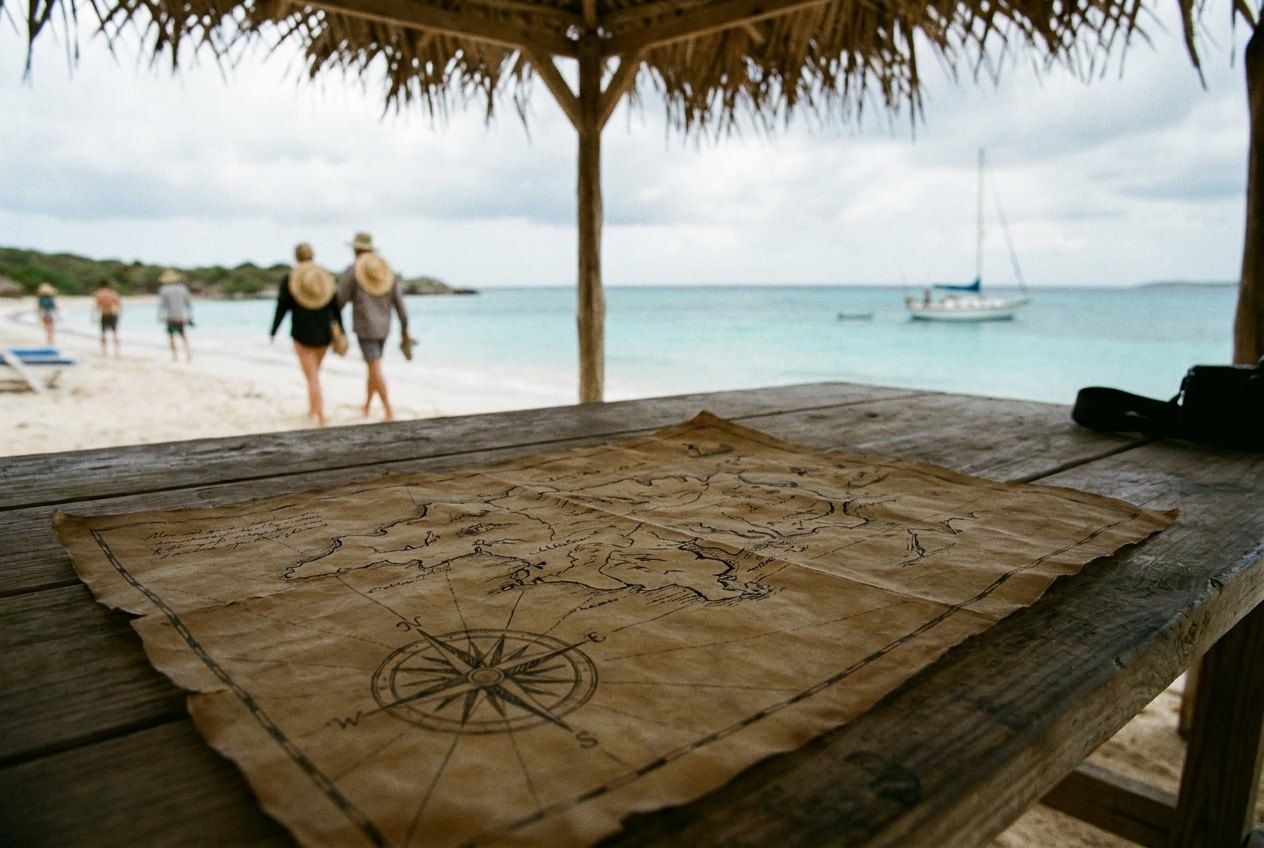
A name can carry a long route with it. What does Antigua’s name remember? Christopher Columbus sighted the island in 1493, on his second voyage, and named it after Santa Maria la Antigua, a chapel in Seville Cathedral. The chapel’s name became the island’s name. For the story before that sighting, there’s the island before Columbus.
What changed in 1632? English settlers from St Kitts founded a colony on Antigua. That’s the point where this timeline moves from a name given by Columbus to an English settlement. The date is clear; the fact itself is brief. But it gives the colonial story an anchor, and sets the settlement apart from the earlier sighting and naming.
Did the colony remain under English control without interruption? No. The French briefly captured Antigua in 1666, and the island was returned to England by the Treaty of Breda in 1667. Those two dates sit close together in the account: capture, then return. The Treaty of Breda is the name attached to that return.
Where was the colony’s capital? St John’s became the capital in the 17th century. Antigua was also the seat of government for the British Leeward Islands for much of the colonial era. One fact gives St John’s its place in the colony; the other places Antigua within the government of the British Leeward Islands.
Which family enters the story through Barbuda? The Codrington family’s lease of Barbuda from the Crown began in the late 17th century; it lasted until 1870. It’s a separate island and a separate thread in the colonial timeline, but it belongs in this account of the families connected to Antigua and Barbuda. The dates mark the span; the family name marks the lease.
So what’s the sequence? Columbus sighted and named Antigua in 1493; English settlers from St Kitts founded a colony in 1632; the French capture and return to England followed in 1666 and 1667. St John’s became the capital in the 17th century, and the Codrington lease on Barbuda ran until 1870. The numbers: 1493, 1632, 1666, 1667, 1870. And what was happening on the island before the first date in this timeline?