1 August 1834: Emancipation on Antigua
About 30,000 people were freed on Antigua in 1834, without apprenticeship. The story also reaches back to the 1736 plot and forward to Emancipation Day.
- Reading
- 4 min
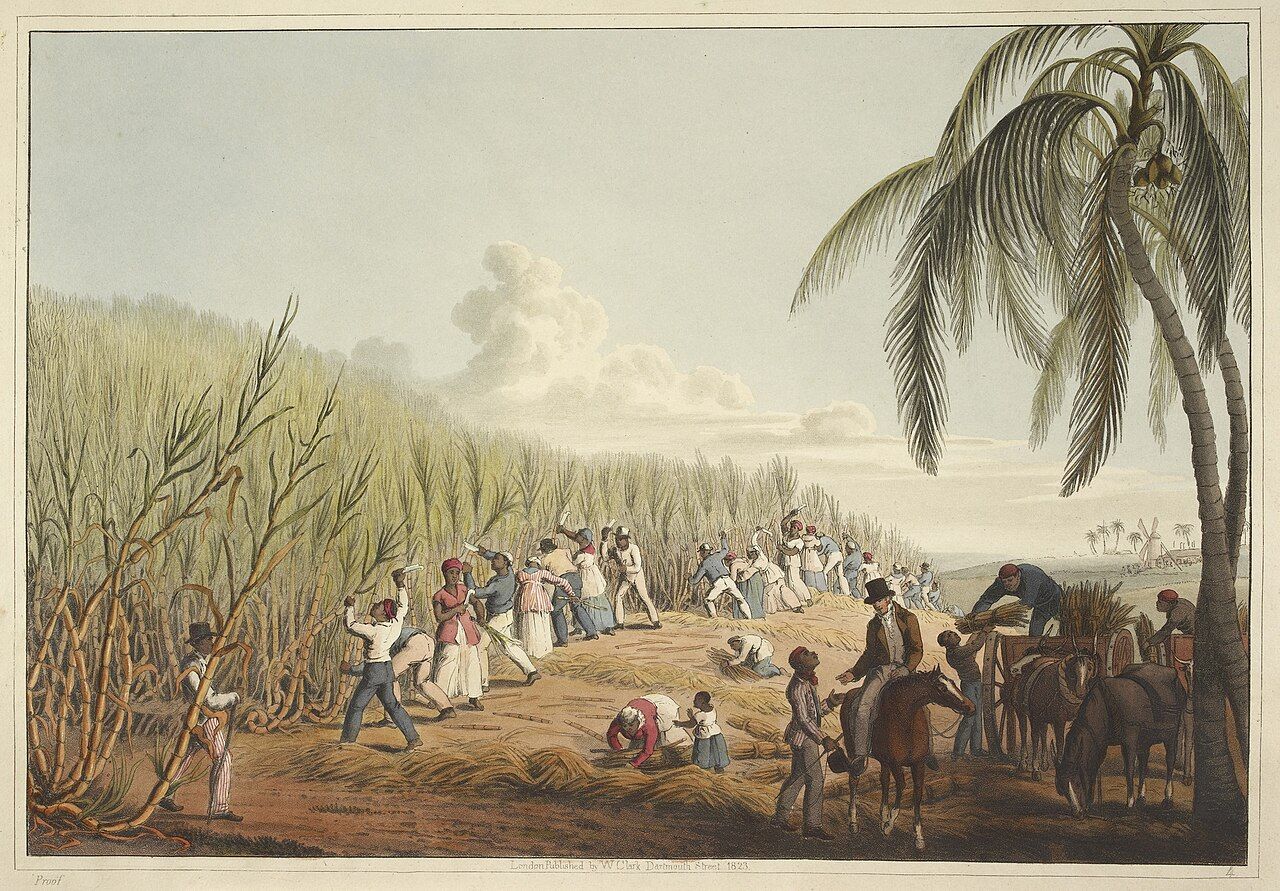
About 30,000 people were freed on Antigua on 1 August 1834. What makes that date stand out? Slavery was abolished across the British Empire that day, but Antigua chose full freedom without the apprenticeship period used in most British colonies. The date marks a change in law and in people’s lives; it also leaves a question about what freedom looked like after the formal moment had passed.
Myth and fact
Myth: Antigua followed the same route to emancipation as most British colonies. What actually happened? Antigua chose to free enslaved people fully in 1834, without the apprenticeship period used in most British colonies. Freedom arrived without an apprenticeship period on Antigua. That distinction matters because emancipation wasn’t a single identical process across the empire. On Antigua, the choice was full freedom, rather than a stretch of apprenticeship between slavery and emancipation. It’s a short answer, but not a small one: the people freed on the island weren’t made to pass through that intervening period.
Freedom arrived without an apprenticeship period on Antigua.
Does that mean the story is only about a decision made in 1834? No. The date is central, but the history behind it includes an earlier planned uprising, and the years after it include more than one way of making a life beyond the estates. Those parts belong together, even if they don’t fit into a neat, single-step account of freedom.
Myth: Emancipation began the story of resistance on Antigua. What came before it? In 1736, a planned uprising of enslaved people on Antigua was uncovered before it took place. The plot was led by an enslaved man known as Prince Klaas, also called Court. Prince Klaas and many others accused in the plot were executed. That’s a stark history to place beside the events of 1834: the planned uprising was discovered long before emancipation, and the people accused of taking part faced execution. It reminds us that the date freedom came into law wasn’t the beginning of people’s desire for it.
Why keep the 1736 plot in the same story as emancipation? Because it makes the timeline less tidy, and more truthful to the facts we have. In 1736 the plan was uncovered before it took place; in 1834 slavery was abolished across the British Empire and Antigua chose full freedom. The dates don’t describe the same event, and one shouldn’t be made to stand in for the other. Together, though, they set out two moments in Antigua’s history: a planned uprising, and the end of slavery.
Myth: Everyone left the estates as soon as emancipation came. What happened after 1834? Many freed people left the estates to found free villages, while many others continued to work on the sugar estates for wages. Both parts matter. Emancipation meant freedom, but it didn’t mean everyone took the same path afterward. Some people established villages beyond estate life; others kept working on the estates, now for wages. And in a story about what changed, it’s worth holding on to both details rather than letting one stand for everybody.
Where do the first free villages fit? They belong to the history of people who left the estates after emancipation to found free villages. The phrase is a useful doorway into that part of the story (and a reminder that freedom had a life beyond its date). The other part is just as clear: many freed people continued working on the sugar estates for wages. The facts don’t say every person made the same choice, and the story doesn’t need to pretend they did.
Myth: Emancipation is remembered only as a date in the past. How is it marked now? Emancipation Day, the first Monday of August, is a public holiday on Antigua. The island’s carnival is held around the start of August to mark emancipation. That gives the history a place in the present as well as in the calendar: a public holiday and carnival, both connected with the end of slavery. The 1834 date remains specific, while the observance is part of the August calendar.
Does the holiday answer every question about emancipation? Not quite. A public holiday tells us the event is remembered; carnival marks emancipation around the start of August. The history still asks us to keep the details in view: about 30,000 people freed on Antigua, no apprenticeship period, an earlier plot led by Prince Klaas, and different choices after freedom. A date can hold a lot, but it can’t speak for every life that changed around it.
So what’s the simplest way to tell this story? Start with 1 August 1834, when slavery was abolished across the British Empire and Antigua chose full freedom without apprenticeship. Then look back to the 1736 plot, and forward to the free villages, paid work on the sugar estates, Emancipation Day, and carnival. None of those details cancels another. They’re all part of the island’s account of emancipation, and perhaps the question left open is what each of us chooses to remember.
The numbers: 1 August 1834; about 30,000 people freed. What does the date ask us to remember?
Photo credits: William Clark: CC0 1.0 Universal.
