St John's & Parishes · Liberta
Liberta, Freetown and the Free Villages
A morning-to-late-afternoon look at the names, origins and village centers of Liberta, Freetown and Antigua’s inland communities.
- Parish
- St Paul
- From St John's
- 30 minutes
- Reading
- 4 min
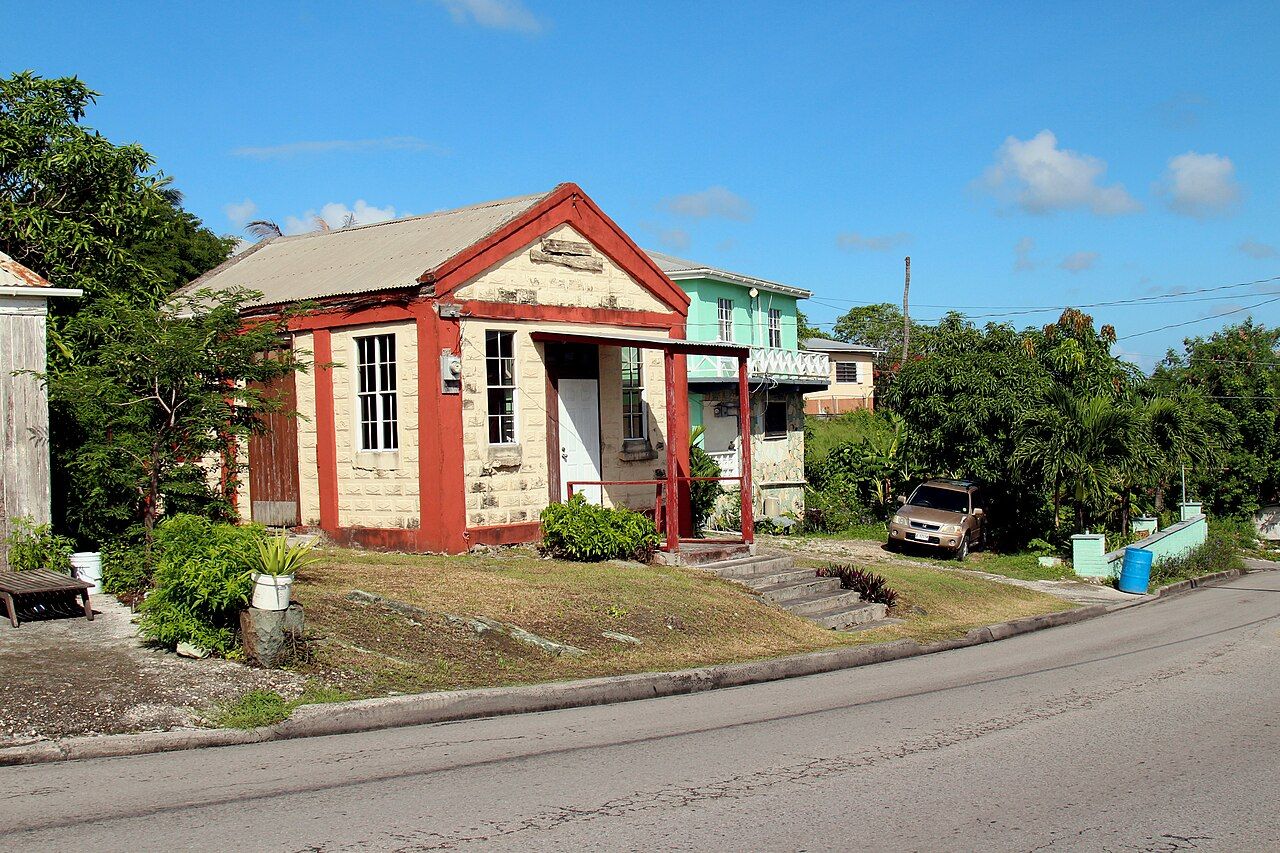
A village name can start a conversation with a small stumble: is Liberta a person, a place, or a word with a story behind it? Here it’s all about the word. Liberta is a village in the south of Antigua, and its name comes from liberty. That’s a neat place to begin a day spent thinking about the free villages: the name is short, but the history behind it reaches beyond one village.
Morning in Liberta
Why start with Liberta? Liberta was one of the first free villages founded on Antigua after emancipation in 1834. Its name comes from the word liberty, so the place name and the story of its founding sit close together. It isn’t just a label on a map; it points back to the freedom that made the village possible.
Liberta was one of the first free villages founded on Antigua after emancipation in 1834.
the end of slavery in 1834 is the hinge in this story. Liberta was founded after emancipation, as was Freetown, in the parish of St Philip. They’re two examples of villages founded by freed people, but the story doesn’t reduce to a single pattern of land or support. Free villages on Antigua were often built on land bought by freed families or by churches. Moravian and Methodist missions helped found several of them, too.
What did the land mean for these communities? Many free villages were built on marginal land at the edges of the sugar estates. That detail matters: the villages weren’t simply set down wherever there was open space. Their origins are tied to the land freed families or churches could buy, and to the edges of the estates. The sources of support varied, but the villages share a beginning in the period after emancipation.
When the sun stands overhead
How do Liberta and Freetown fit into the wider island? They give two place names to hold onto while following the story across Antigua: Liberta in the south, and Freetown in St Philip. Freetown’s name sounds direct; Liberta’s carries the word liberty. Both were founded by freed people after emancipation. The names don’t tell every part of their histories, but they make the connection to freedom hard to miss (and easy to remember).
Then there’s Swetes, a village near Liberta, known as the home village of the fast bowler Curtly Ambrose. It offers another way into the island’s village map: a place connected with a name in cricket as well as with its neighbor, Liberta. That’s a different kind of association from a name rooted in liberty, but both bring a village into focus without needing a long detour.
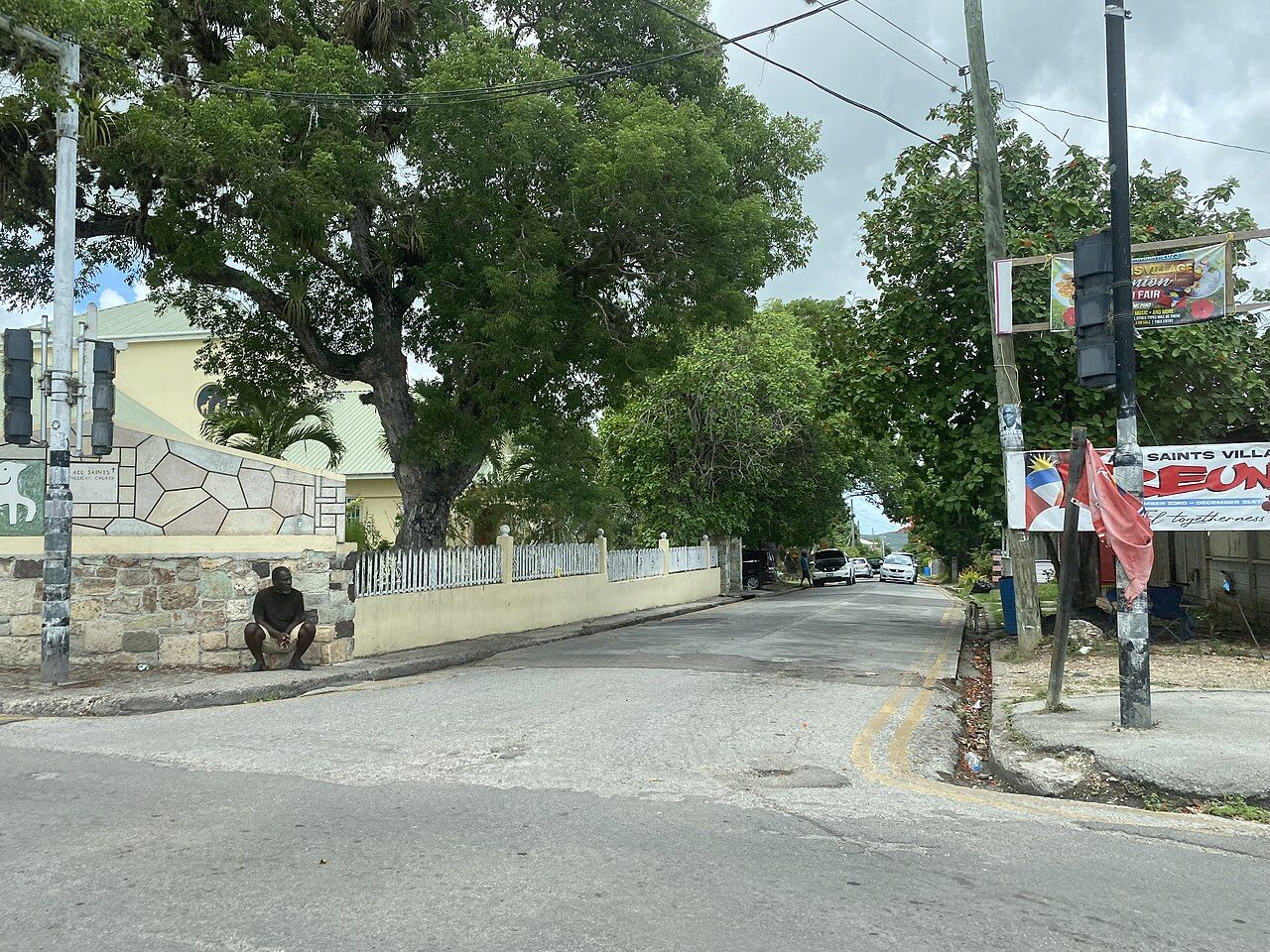
Where does All Saints belong in this picture? All Saints is a large village in the center of Antigua, on the road between St John’s and English Harbour. Put beside Liberta and Freetown, it helps give the story a wider reach than the free villages alone. The places named here aren’t all described by the same detail: one is connected to emancipation, another to a famous fast bowler, and All Saints to its position on the road.
What might a village look like now? The useful starting point is the shared pattern, not a claim that every village has the same layout. Village churches, playing fields and small shops form the center of most Antiguan villages. That’s the plain, everyday structure offered by the facts: a church, a field, a shop or two, and a center made by the places people use.
Late afternoon
What keeps the village center in view? Cricket is part of the answer. Village cricket matches are a common weekend sight in rural Antigua, and playing fields are among the features that form the center of most villages. That puts the field in the story as more than a dot on a map. It’s part of the setting for a familiar weekend scene (though the facts don’t assign a match to any one of the villages named here).
The church has its own long thread. The Moravian church has been present on Antigua since the 1750s, and Moravian and Methodist missions helped found several free villages. Those are related pieces of the story, but not a reason to assume that every village began in the same way. Some free villages were built on land bought by freed families, some on land bought by churches, and missions helped with the founding of several.
So what’s the short version by the end of the day? Liberta and Freetown were founded by freed people after emancipation in 1834; Liberta’s name comes from liberty; and the founding of free villages involved land, families and churches. The wider village picture includes churches, playing fields and small shops at the center of most communities, with cricket matches a common weekend sight in rural Antigua. And if Liberta’s name sounds like an invitation to wander, well, it’s already made its point: liberty, with no map required.
The numbers: emancipation in 1834; the Moravian church on Antigua since the 1750s.
Photo credits: Thank You (23 Millions+) views: Creative Commons BY 2.0; CROIX: Creative Commons BY-SA 4.0.

